


Page snapshot: An introduction to museum science, with examples of the types of studies that can be done using museum collections.
Topics covered on this page: Introduction; Studying plumage (bird feathers); Resources.
Credits: Funded by the National Science Foundation. Any opinions, findings, and conclusions or recommendations expressed in this material are those of the author(s) and do not necessarily reflect the views of the National Science Foundation.
Updates: Page last updated May 14, 2024.
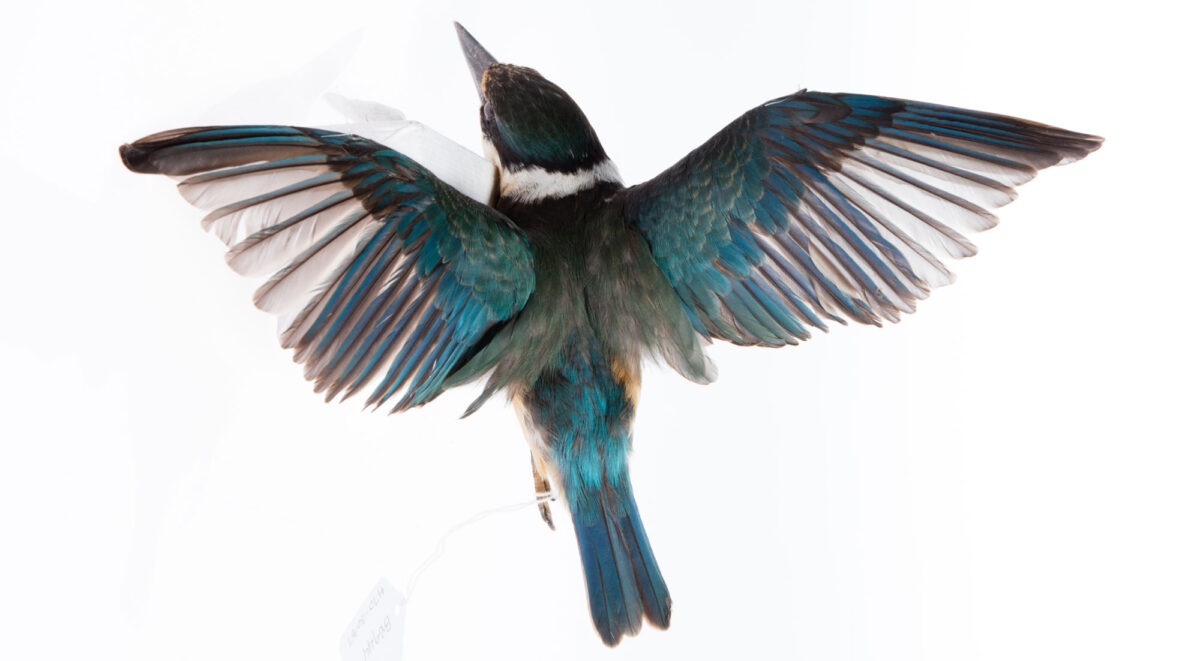
Image above: A specimen of a sacred kingfisher (Todiramphus sanctus) from the Auckland Museum Collections, New Zealand. Photo by Auckland Museum Collections (Wikimedia Commons, Creative Commons Attribution 2.0 Generic license, image cropped and resized).
Introduction
While the public side of a museum includes its exhibits and educational programs, one of the major behind-the-scenes roles of a natural history museum is scientific research. Most major museums and even many smaller regional and local museums often have one or more research-active scientists on staff. These scientists may carry out original studies using the museum's collections and collections held at other museums, publish scientific papers, give presentations at conferences, and do a variety of other scientific, educational, and outreach activities.
Studying plumage (bird feathers)
Bird plumage color basics
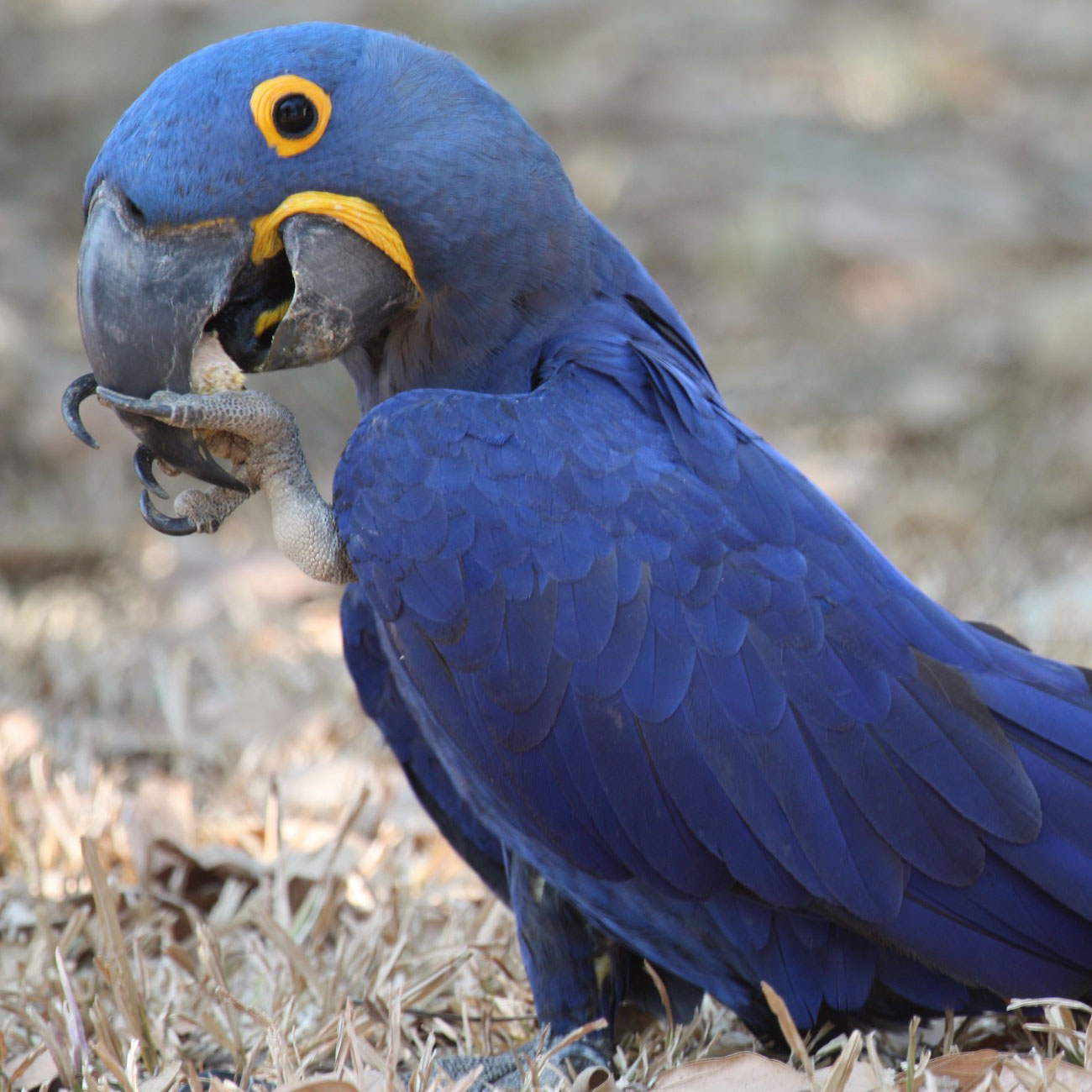
An overview of bird plumage, including how birds see color, how birds' feathers get their colors, and how scientists study feather color.
Studying kingfisher plumage
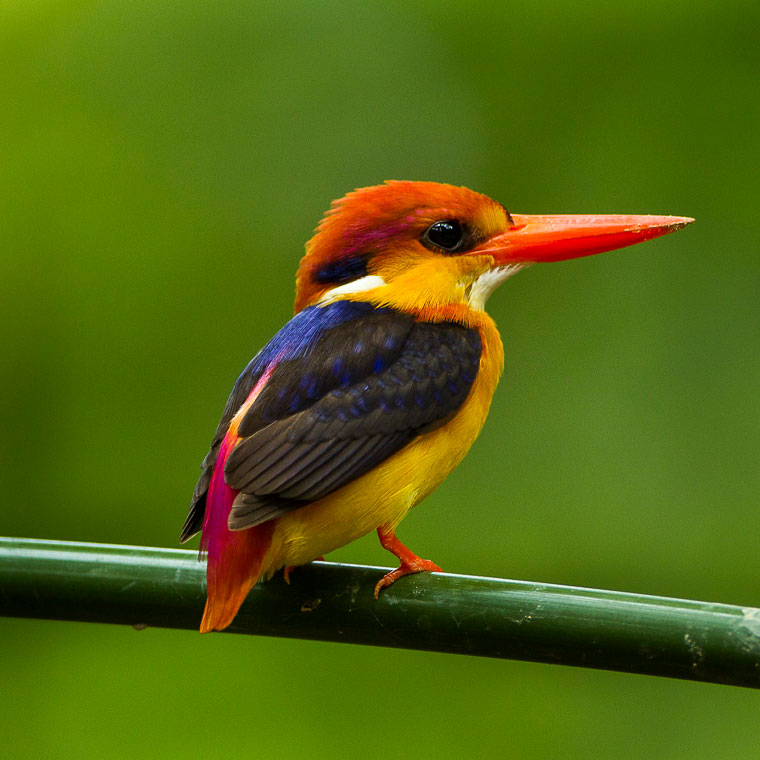
An overview of kingfisher feather color, how scientists study feather color, and how studying feather color helps us to understand kingfisher evolution.
Resources
Scientific articles
Bakker, F.T., A. Antonelli, J.A. Clarke, J.A. Cook, S.V. Edwards, P.G.P. Ericson, S. Faurby, N. Ferrand, M. Gelang, R.G. Gillespie, M. Irestedt, K. Lundin, E. Larsson, P. Matos-Maravi, J. Müller, T. von Proschwitz, G.K. Roderick, A. Schliep, N. Wahlberg, J. Wiedenehoeft, and M. Källersjö. 2020. The Global Museum: natural history collections and the future of evolutionary science and public education. PeerJ 8: e8225. https://doi.org/10.7717/peerj.8225